Used Cars for Sale in Mobile, AL: The 12-Point Inspection to Do Before You Sign
Posted Wednesday, May 20, 2026
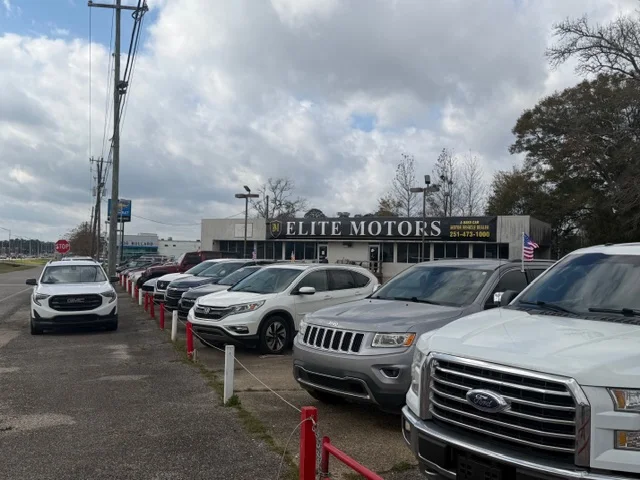
Buying a used car in Mobile, Alabama is not the same as buying one in Phoenix or Denver. The Gulf Coast climate — high heat, 75%+ humidity for half the year, salt air drifting in off the bay, and the occasional flood event — wears cars in ways the inland market doesn't. A car that looks fine in the listing can hide rust under the rocker panels, a tired A/C compressor on its last summer, or a transmission that's about to go.
This is the 12-point inspection you should run on any used car in Mobile before you sign. It works the same whether you're shopping a franchise dealer, a Buy Here Pay Here lot on Government Boulevard, or a private seller on Facebook Marketplace.
Why Mobile Is Hard on Cars
Three forces age vehicles fast on the Gulf Coast:
- Heat and humidity. Average summer high in Mobile is 92°F with dew points often in the 70s. That cooks rubber, plastic, and especially electrical wiring. Window switches, door lock actuators, headlight wiring, and A/C systems fail earlier here than in dry climates.
- Salt air. Mobile Bay puts a corrosive mist on every vehicle within 10 miles of the water. Cars that lived their first life in Mobile, Daphne, Fairhope, or Dauphin Island carry salt damage that inland cars don't.
- Flood risk. Hurricane Sally (2020), Hurricane Zeta, plus dozens of routine summer flash floods — Mobile sees serious water events every couple years. Flooded vehicles get cleaned up and resold all over the Southeast. Some end up back on Mobile lots.
The inspection below catches each of these.
The 12-Point Inspection
1. VIN and Title Check
Before you spend a minute looking at the car, check the VIN.
- Match the VIN. Three places: the dashboard plate at the base of the windshield, the driver's door jamb sticker, and the title. All three must match. Mismatches are a hard stop.
- Run an NMVTIS report. The National Motor Vehicle Title Information System pulls title history from all 50 states. Reports cost $5–$15. They show salvage titles, flood damage, total-loss declarations, and odometer history.
- Look for "Alabama Salvage" or "Flood" branding. Some dealers will tell you a car was rebuilt; the title will say so. Alabama titles brand salvage and flood vehicles permanently.
2. Rust Inspection (Underneath, Not on Top)
The body might look clean. The underside tells the truth.
- Get on the ground (or ask the dealer to put it on a lift). Look at:
- Rocker panels — bottom of the doors, inside the frame rail
- Frame rails — front to rear under the car
- Subframe and crossmembers
- Fuel and brake lines — they run along the frame
- Surface rust (orange dust) is normal in Mobile. Flaky, scaly rust that you can poke a screwdriver through is a deal-killer.
- Pay extra attention if the car has a coastal Alabama, Mississippi Gulf Coast, or Florida Panhandle history. Inland cars from Tennessee or northern Alabama are usually cleaner underneath.
3. A/C Compressor and Cabin Cool-Down Test
This is the test most buyers skip. In Mobile, your A/C is not a luxury — it's a safety system.
- Start the car. Set A/C to MAX, recirculate on, fan at full.
- Open windows for 30 seconds, then close them.
- After 3 minutes, the air at the center vent should be cold enough to be uncomfortable on your hand. If it's "cool but not cold," the compressor is tired or the refrigerant is low.
- Listen for compressor cycling — a click followed by a slight rpm drop every 20–30 seconds. Rapid cycling (every 3–5 seconds) means low refrigerant or a leaking system.
- Cost of an A/C system rebuild on a Mobile-climate car: $800–$2,200. Catch this before you buy.
4. Transmission Fluid Color and Smell
For automatic transmissions:
- With the engine warm and idling, pull the transmission dipstick (if accessible — most newer cars have sealed transmissions).
- Fluid should be pink to red, slightly translucent.
- Brown fluid = overdue service. Manageable.
- Dark brown or black fluid = transmission stress. Risky.
- Burnt smell = walk away.
For sealed-transmission vehicles, ask the dealer when transmission service was last performed and ask to see the record. No record on a vehicle over 80,000 miles is a flag.
5. Engine Oil Cap and Dipstick
- Pull the dipstick. Oil should be amber to light brown.
- Pull the oil filler cap. The underside should be relatively clean — a light film is normal.
- White, milky residue on the cap or dipstick = coolant getting into the oil. Head gasket failure or worse. Hard stop.
- Thick black sludge = neglected oil changes. Walk away or negotiate hard.
6. Coolant Reservoir
- Look at the coolant reservoir (translucent plastic, usually near the radiator).
- Coolant should be clean — green, orange, or pink depending on the system — and free of debris.
- Oil floating on top of the coolant = head gasket. Hard stop.
- Rust-colored coolant = neglect or contamination.
7. Tire Wear Pattern (Tells You About Alignment and Suspension)
Tires don't lie.
- Even wear across the tread = good alignment, healthy suspension.
- Wear on the inside edge only = bent control arms, worn ball joints, or alignment off.
- Wear on the outside edge only = same problem, opposite direction. Often a curb hit.
- Cupping or scalloping = bad shocks or struts.
- Different brands on each axle = the seller has been replacing tires reactively, not proactively.
Bad tires aren't a deal-killer (tires are cheap), but uneven wear is a clue to deeper suspension problems. Look closer.
8. OBD-II Scan
Every car built after 1996 has an OBD-II port (usually under the dashboard on the driver's side). A $20 Bluetooth scanner from Auto Zone — or a $200 professional tool any dealer should own — will pull:
- Active codes = current problems
- Pending codes = problems the computer has detected but not confirmed
- Stored codes = past problems, cleared
- Readiness monitors = if the seller cleared codes right before you arrived, the monitors won't be set yet. This is a common trick.
A car with "all monitors complete" and no codes is a clean signal. A car with monitors "not ready" right before sale means somebody cleared the computer recently. Ask why.
9. Test Drive — Real Conditions, Not Just the Block
Most test drives last 8 minutes around the block. That's not enough. In Mobile, drive:
- Highway speed — I-65 north from Government, or Hwy 90 East. Hold 65–70 mph for 5+ minutes. Listen for wheel bearing noise, vibration in the steering wheel, transmission shift quality at speed.
- Stop and go — Airport Boulevard at rush hour, or Springhill near downtown. Tests transmission torque converter, brakes, and engine heat management.
- Parking lot maneuvers — full-lock turns both directions. Listen for CV joint clicking (front-wheel drive) or popping (rear-wheel drive).
- Hard braking — once, from 40 mph in a safe spot. Pedal should feel firm. The car should track straight, not pull left or right.
10. Electrical Systems Check
Mobile humidity is rough on electrical. Test every switch:
- All four power windows, up and down, in both directions
- Power locks from each switch
- All headlight modes — low, high, fog if equipped, daytime running
- Turn signals and hazards
- Brake lights (have someone watch behind, or back up to a window)
- Reverse lights
- Dashboard warning lights — check that they all illuminate at key-on, then extinguish at start
- A/C in all positions — defrost, vent, floor, mix
- Rear defroster
- Stereo and speakers
One non-working switch is a 10-minute fix. Three non-working switches means the electrical system is going through a slow failure cycle. That gets expensive fast.
11. Frame and Body Panel Alignment
Walk around the car. Look at:
- Hood gaps — should be even on both sides
- Trunk and tailgate gaps — same
- Door gaps — the gap between door and fender should match the gap between door and rear quarter
- Paint match — panels that were repainted will sometimes show a slightly different shade in direct sunlight
Uneven gaps and mismatched paint = the car has been in a wreck. That's not always a deal-killer, but you need to know. Ask the dealer for a CarFax or AutoCheck report.
12. Interior Water Damage Check (Critical in Mobile)
Most important Mobile-specific check. Flooded vehicles end up on Gulf Coast lots regularly.
- Pull up the floor mats. Look at the carpet underneath. Discoloration, water lines, or musty smell = flood.
- Lift the rear seat bottom if it pops out. The metal floor pan underneath should be clean. Rust on the floor pan that isn't surface-rust = flood.
- Check inside the trunk — pull up the spare tire well cover. Standing water residue, rust, or dirt in the spare well = flood.
- Smell test. Open all the doors, sit inside, close them, and breathe. Mildew or "old basement" smell = water damage.
- Check seatbelts. Pull them out fully. Discoloration on the lower few feet of webbing = the cabin was submerged.
A flooded car can drive fine for six months and then fail electrically all at once. Don't buy one.
Mobile-Specific Buying Tips
A few extra notes that apply specifically to Mobile, AL:
- Salt damage is real on Eastern Shore cars. Vehicles from Daphne, Fairhope, Point Clear that have spent time near the bay carry more underside corrosion than inland Mobile cars. Not a deal-killer — just a known factor.
- Hurricane season runs June through November. A vehicle priced suspiciously low in mid-October may have a hurricane history. Ask.
- Alabama doesn't require dealers to disclose minor flood damage. Only "salvage" or "flood-totaled" titles get branded. A car that took 6 inches of water and was cleaned up never has to be disclosed under Alabama law. The inspection above is your defense.
- Pre-purchase inspections are worth $100. A local independent shop — McGowin Park area, Tillman's Corner, Saraland — will do a 60-minute inspection for $80–$120. Best money you'll spend on a used car.
What Elite Motors Does Differently
Every vehicle on our lot goes through a 60-point PDI before it gets listed — including all 12 of the inspections above. We source from auctions inland (Atlanta, Birmingham, Nashville) when we can, exactly to avoid the salt and flood histories that come with coastal-only stock.
Browse our current inventory — every car listed with year, mileage, full out-the-door price, and the PDI report available on request.
Get pre-qualified online in 4 minutes if you're ready to shop. No credit check.